
katherinethrin
About katherinethrin
Exploring the World Of Private Aircraft Flights: A Case Study
Introduction
In recent years, private aircraft flights have surged in recognition, driven by a rising demand for convenience, flexibility, and luxury in air travel. This case examine explores the dynamics of private aviation, examining its benefits, challenges, and the evolving market landscape. By analyzing numerous facets of private aircraft flights, we intention to offer insights into their influence on the journey trade and the experiences of users.
The Rise of Private Aviation
The private aviation sector has experienced outstanding progress over the past decade. Elements equivalent to increasing disposable incomes, the desire for customized travel experiences, and the need for environment friendly business journey have contributed to this trend. In response to the Nationwide Business Aviation Association (NBAA), the variety of private flights in the United States alone reached over 500,000 annually, with a big portion attributed to business travel.
Benefits of Private Aircraft Flights
- Time Effectivity
One of the most significant benefits of private aircraft flights is the time saved in comparison with commercial airways. Private jets can access thousands of airports, including smaller regional airfields, allowing travelers to achieve their destinations with out the delays related to business air journey. If you beloved this post and you would like to receive a lot more info relating to web page kindly pay a visit to our own web site. This effectivity is especially helpful for business executives who need to maximize productiveness.
- Flexibility and Convenience
Private flights offer unparalleled flexibility. Travelers can set their own schedules, avoiding the inflexible timetables of economic airways. This flexibility extends to the selection of departure and arrival areas, enabling customers to land nearer to their final destination. Moreover, private aircraft typically present the option to alter itineraries on brief notice, accommodating last-minute business meetings or personal commitments.
- Enhanced Consolation and Privateness
Private aircraft flights provide a degree of consolation and privacy that’s unmatched in commercial aviation. Passengers can get pleasure from spacious cabins, luxurious seating, and personalised services tailor-made to their preferences. This setting permits for productive work, relaxation, or high quality time with family and associates with out the distractions typical of crowded commercial flights.
- Safety and Well being Issues
In the wake of the COVID-19 pandemic, health and security have turn out to be paramount considerations for travelers. Private aviation gives a safer alternative, with fewer touchpoints and the flexibility to maintain social distancing. Many private jet operators have applied stringent well being protocols, together with enhanced cleaning procedures and well being screenings, further reassuring travelers.
Challenges in Private Aviation
Despite its benefits, private aircraft flights are not with out challenges. The following points are important within the trade:
- Cost
The high value of private aviation remains a barrier for a lot of potential customers. Operating a private jet involves substantial bills, including acquisition, upkeep, fuel, and crew salaries. Whereas chartering a flight can mitigate some of these costs, it still represents a significant investment compared to industrial air journey.
- Environmental Impression
The environmental implications of private aviation have come below scrutiny. Private jets emit extra carbon per passenger than commercial flights, elevating considerations about their sustainability. As consciousness of local weather change will increase, the business faces stress to undertake greener practices, comparable to using sustainable aviation gas (SAF) and investing in carbon offset applications.
- Regulatory Challenges
The private aviation sector is topic to a posh internet of laws that range by country. Navigating these rules might be challenging for operators and travelers alike. Compliance with safety standards, customs requirements, and air site visitors control regulations can complicate flight planning and execution.
The Evolving Market Landscape
The private aviation market is evolving in response to changing consumer preferences and technological developments. Key developments shaping the trade include:
- Fractional Ownership and Jet Cards
Fractional possession programs and jet card companies have gained reputation as price-effective alternate options to full ownership. These fashions enable users to purchase a share of an aircraft or pre-buy flight hours, providing access to private jets without the monetary burden of possession.
- Digital Platforms and Booking Services
The rise of digital platforms and mobile apps has revolutionized the way in which travelers e-book private flights. Companies like JetSuite, Wheels Up, and VistaJet supply consumer-pleasant interfaces for booking, managing, and tracking flights. These platforms enhance accessibility and streamline the booking process, attracting a broader audience to private aviation.
- Sustainability Initiatives
In response to environmental considerations, the private aviation trade is more and more centered on sustainability. Operators are exploring choices resembling electric and hybrid aircraft, as well as investing in carbon offset initiatives. These efforts aim to scale back the carbon footprint of private flights and align with the growing demand for environmentally responsible travel options.
Case Examine: A Enterprise Govt’s Expertise
As an example the benefits and challenges of private aircraft flights, consider the case of John, a CEO of a technology startup. John frequently travels between major cities for meetings with buyers, companions, and purchasers. He initially relied on industrial airways however confronted quite a few challenges, together with lengthy security strains, delayed flights, and restricted scheduling options.
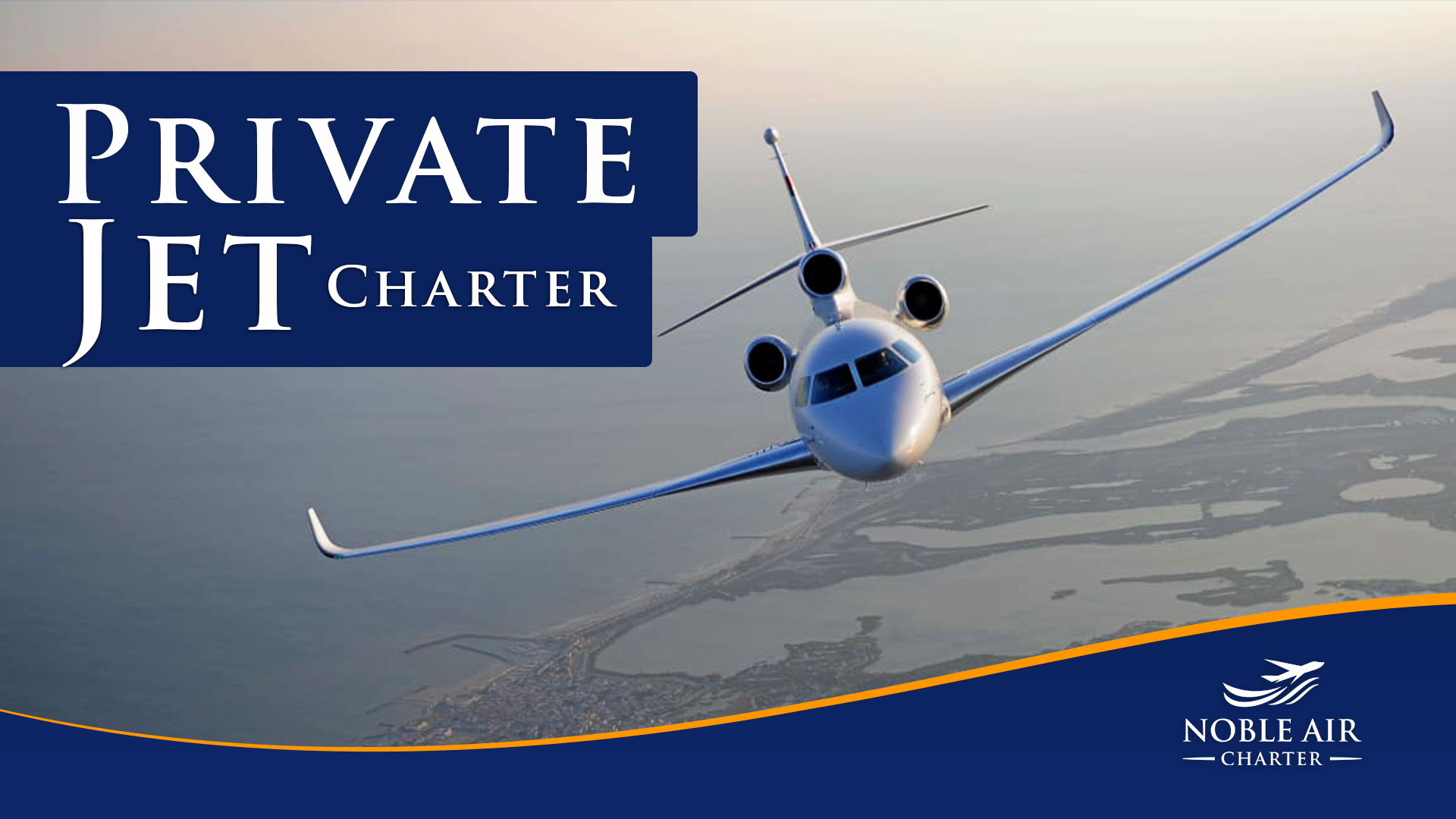
After experiencing the frustrations of commercial travel, John determined to charter a private jet for his enterprise trips. The advantages were immediately obvious: he saved hours of travel time, loved a comfortable and productive setting, and had the flexibility to adjust his itinerary as wanted. However, John additionally faced the challenge of managing prices, as chartering a private jet was significantly more expensive than flying commercially.
To steadiness his travel wants and price range, John explored fractional ownership options. He ultimately decided to invest in a fractional ownership program, permitting him to access a private jet for a fraction of the price of full ownership. This solution supplied him with the comfort and effectivity he desired while making private aviation more financially viable.
Conclusion
Private aircraft flights offer a novel mix of convenience, luxurious, and suppleness that appeals to both business and leisure travelers. While challenges comparable to value, environmental affect, and regulatory complexities exist, the trade is evolving to address these points. As expertise advances and shopper preferences shift, private aviation is poised for continued development, shaping the way forward for air journey. By understanding the dynamics of this sector, stakeholders can better navigate the alternatives and challenges that lie forward, ensuring that private aircraft flights stay a precious choice for those looking for an elevated journey experience.
No listing found.