
fireplaces3226
About fireplaces3226
Fireplace UK: The Ugly Truth About Fireplace UK
The Ultimate Guide to Fireplaces in the UK: Types, Benefits, and Maintenance
small fireplaces have long been a treasured feature of homes throughout the United Kingdom. Serving not only as a source of warmth but likewise as a centerpiece for living spaces, their appeal covers from traditional to contemporary designs. This guide will look into various types of elegant fireplaces offered in the UK, their benefits, necessary maintenance tips, and frequently asked concerns to help you make notified decisions.
Types of Fireplaces
Comprehending the kinds of fireplaces can significantly impact your general home aesthetics and heating requirements. Below is a thorough table detailing common fireplace types discovered in the UK:
| Fireplace Type | Description | Fuel Source | Performance |
|---|---|---|---|
| Wood-Burning | Traditional fireplaces that burn logs or wood | Logs, wood pellets | Moderate |
| Gas | Uses natural gas or LPG for convenience | Gas, LPG | High |
| Electric | Provides a tidy and maintenance-free alternative | Electricity | Varies |
| Bioethanol | Environment-friendly option using ethyl alcohol | Bioethanol | High |
| Open Hearth | Classic style with no glass front, open flame | Wood, coal | Low |
| Inserts | Modernized versions of wood-burning fireplaces | Logs, gas | High |
1. Wood-Burning Fireplaces
Wood-burning fireplaces are frequently thought about the quintessential choice, giving homes a traditional, rustic beauty. They consist of a firebox where logs are placed, and often include a chimney for smoke ventilation.
Pros:
- Great for ambiance
- Can be used for cooking (in some styles)
Cons:
- Requires regular chimney cleaning
- Can be less effective than other types
2. Gas Fireplaces
Gas fireplaces are favored for their convenience and efficiency. They can simulate the aesthetic appeals of wood-burning fires while offering immediate heat with the flick of a switch.
Pros:
- Easy to utilize and maintain
- Clean burning; minimal ash
Cons:
- Initial installation costs can be greater
- Dependence on gas lines; less versatile in positioning
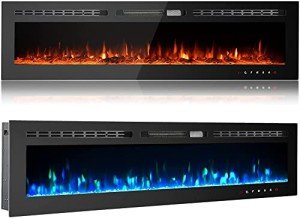
3. Electric Fireplaces
Electric fireplaces are available in different styles and can be easily set up in any space, typically needing minimal setup.
Pros:
- Low upkeep and no chimney needed
- Safe for homes with children and animals
Cons:
- Higher energy expenses depending upon usage
- Limited in regards to genuine flame result
4. Bioethanol Fireplaces
Bioethanol fireplaces are gaining appeal due to their eco-friendly nature. They produce heat through an alcohol-based fuel and do not require a chimney or venting system.

Pros:
- Environmentally friendly
- Flexible installation choices
Cons:
- Fuel can be costly over time
- Heat output may vary
5. Open Hearth Fireplaces
An open hearth is a traditional style often found in older homes. They provide a traditional look however tend to be less efficient.
Pros:
- Aesthetic appeal; can be an artwork
- Great for large events
Cons:
- Substantial heat loss
- Needs continuous guidance
6. Fireplace Inserts
Inserts are confined systems that fit into an existing fireplace opening. They can be wood-burning or gas-powered and offer a modern service to enhance efficiency.
Pros:
- Increased performance and less heat loss
- Visual upgrade for old fireplaces
Cons:
- Installation can be complicated
- May require more space
Advantages of Fireplaces
Visual Appeal
Fireplaces create a warm and welcoming atmosphere that raises the overall visual of a home. They can be personalized with numerous surrounds, mantels, and surfaces.
Heat Source
While some fireplaces serve mostly visual functions, many offer vital heating, particularly during the cold winter season months. Correctly installed and kept fireplaces can substantially minimize heating costs when compared to central heating.
Boosts Property Value
An appealing fireplace can enhance a home’s marketability and possibly increase resale value. Many property buyers appreciate a properly designed fireplace as a desirable feature.
Social Hub
Fireplaces work as collecting areas for friends and family. They offer a focal point for cozy nights and winter celebrations, promoting memories.
Maintenance Tips
Appropriate maintenance is vital for making sure the security and efficiency of fireplaces. Below are a couple of ideas to consider:
-
Chimney Inspection:Ensure annual evaluations and cleansings to avoid chimney fires and make sure appropriate ventilation.
-
Flue Maintenance:Regularly check the flue system for clogs, specifically during the colder months when the fireplace remains in routine use.
-
Ash Removal:For wood-burning fireplaces, routinely get rid of ash to enhance airflow and enhance burning performance.
-
Examine Vents:Ensure vents for gas and wood-burning appliances are clear and practical. Blocked vents can pose harmful threats.
-
Fuel Quality:Use top quality fuels advised for your fireplace type. Poor quality can cause ineffective burning and increased emissions.
Frequently asked questions
What is the very best kind of fireplace for my home?
The very best kind of fireplace depends upon your heating needs, visual choices, and installation possibilities. For a traditional Fireplace aesthetic, think about wood-burning or open hearth. For efficiency and benefit, gas or electric options may suit you much better.
Are electric fireplaces safe?
Yes, electric fireplaces are typically very safe. They do not produce real flames, lowering the risk of fire threats connected with traditional cheap fireplaces. However, always follow producer’s guidelines for setup and use.
How frequently should I have my chimney cleaned?
It is a good idea to have your chimney examined and cleaned at least as soon as a year, especially if you use your fireplace frequently.
Can I convert an old fireplace into a gas or electric one?
Yes, lots of older fireplaces can be converted to gas or electric models. Consulting an expert is vital to examine your existing setup and compliance with security policies.
How can I improve the effectiveness of my fireplace?
Improving effectiveness can consist of installing an insert, ensuring appropriate ventilation, using experienced wood, and preserving tidy flues and chimney systems.
Fireplaces in the UK offer more than just heat; they provide a distinct blend of comfort, luxury, and functionality. Whether one chooses a traditional wood-burning fireplace or a modern gas choice, comprehending the different types available, their advantages, and correct upkeep can greatly enhance the home’s comfort and visual value. By investing time in selecting the right fireplace and keeping it well, homeowners can enjoy years of warmth and atmosphere.
No listing found.